Southeast Asian countries are leaning harder on homegrown energy sources — from coal to palm oil and sugarcane — as soaring costs and supply risks make Middle Eastern oil and gas imports less viable.
The pivot is proving double-edged, analysts said. Surging demand is driving up prices of coal and biofuels, while renewed investment in coal plants threatens to derail each country's pledge to reduce emissions.
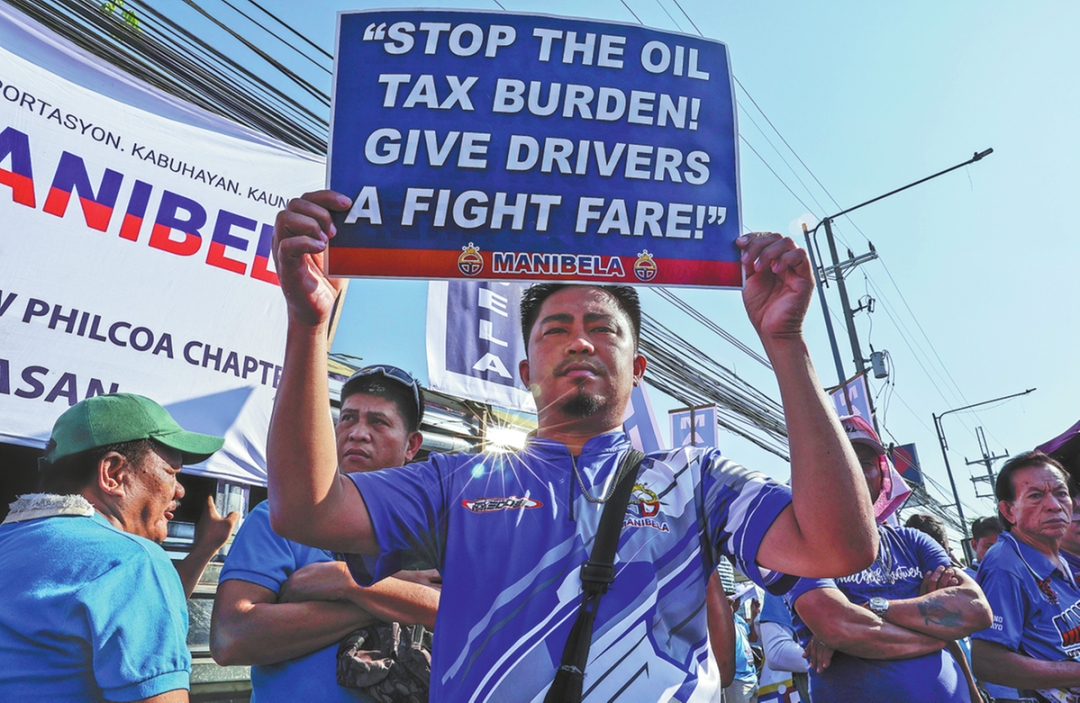
A protester from a local minibus union holds a sign during a rally in Quezon City, Metro Manila, Philippines, on April 15. ROLEX DELA PENA/EPAIndonesia, the world's largest thermal coal exporter, plans to raise coal output this year to boost state revenues amid rising coal prices.
Thailand will restart two decommissioned units at the coal-fired power plant in Lampang Province to contain rising electricity bills.
Philippine Energy Secretary Sharon Garin said the government is open to lifting the moratorium on building new coal-fired power plants.
For some members of the Association of Southeast Asian Nations, using more coal is "a short-term and readily available solution, but not the most environmentally friendly", said Priyanka Kishore, director and principal economist at the Singapore-based consultancy Asia Decoded.
Higher demand is also boosting global coal prices, Kishore said, adding that this would lead to higher electricity prices.
The benchmark Newcastle coal futures rose to $150 per metric ton on March 9, its highest level since November 2024, according to Bloomberg.
Rising prices prove that coal is not insulated from geopolitical shocks, according to global research organization Zero Carbon Analytics.
"Only renewables are immune to such immediate crises, as once installed, they do not require a constant supply of fuel to generate electricity," the nonprofit said in its latest report.
Khor Yu Leng, director of Segi Enam Advisors in Singapore, said the oil and gas supply crunch has put biofuels back in the spotlight.
Biofuels in spotlight
Vietnam is rolling out E10 gasoline — a blend containing 10 percent bioethanol — from April 30, about a month ahead of its previous June 1 target.
Malaysia is set to increase its biodiesel blend mandate from B10 — a blend containing 10 percent palm methyl ester — to B15, starting with an initial rollout of B12, a 12 percent blend.
Thai ethanol manufacturers are increasing production of gasohol E20 — a mix of gasoline and 20 percent ethanol — to serve growing local demand.
Khor of Segi Enam Advisors said high diesel prices will not necessarily make biodiesel a viable option for most motorists.
Palm oil mills already generate electricity from waste biomass, but grid rules and pricing keep that energy sidelined, she said.
She suggested that unlocking mill-based biomass into local networks could deliver quicker, more reliable energy security than chasing higher biofuel blends.
The increased demand for biofuels has likewise raised palm oil prices — a feedstock for biodiesel.
On March 6, the benchmark palm oil contract for May delivery on the Bursa Malaysia Derivatives Exchange rose by nearly 4 percent to 4,365 ringgit ($1,100) per ton. Malaysian palm oil futures were trading at over 4,500 ringgit per ton on Thursday.
Reporter: Prime Sarmiento
本文来自公众微信号:CHINADAILY
|
|

 /1
/1 


 鄂公网安备42010202000179号 )