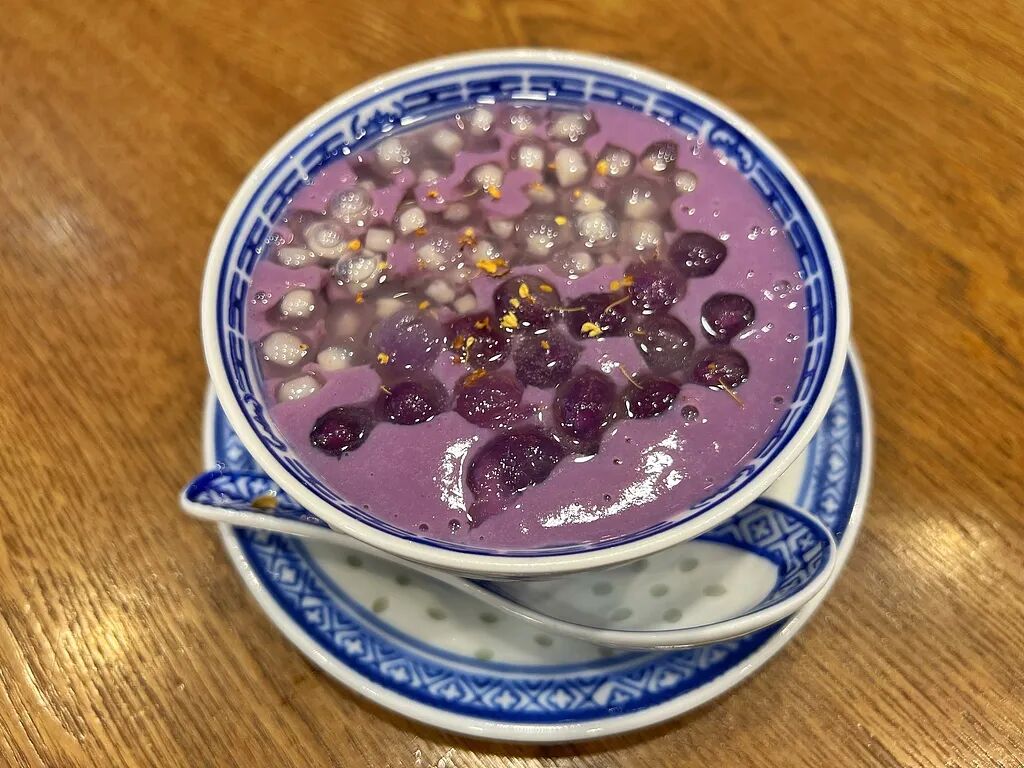
香芋奶茶、香芋冰淇淋、香芋蛋糕、香芋糖……谁的童年里,没有一口淡紫色的香芋味甜滋滋?
可你有没有想过,这熟悉的香气,可能根本不是香芋的味道。甚至香芋和芋头,本就不是同一种东西。
China's beloved "taro-flavored" sweets and drinks may not contain real greater yams at all, as the ingredient commonly marketed as xiangyu is often confused with taro despite being a completely different plant species.
图源:VCG
多数人一直以为香芋就是紫色的芋头,殊不知二者在植物学上的差别是非常大的!
From milk tea and ice cream to cakes and candies, Chinese consumers have long associated xiangyu with a sweet, pale-purple flavor. But botanically, xiangyu is not actually taro.
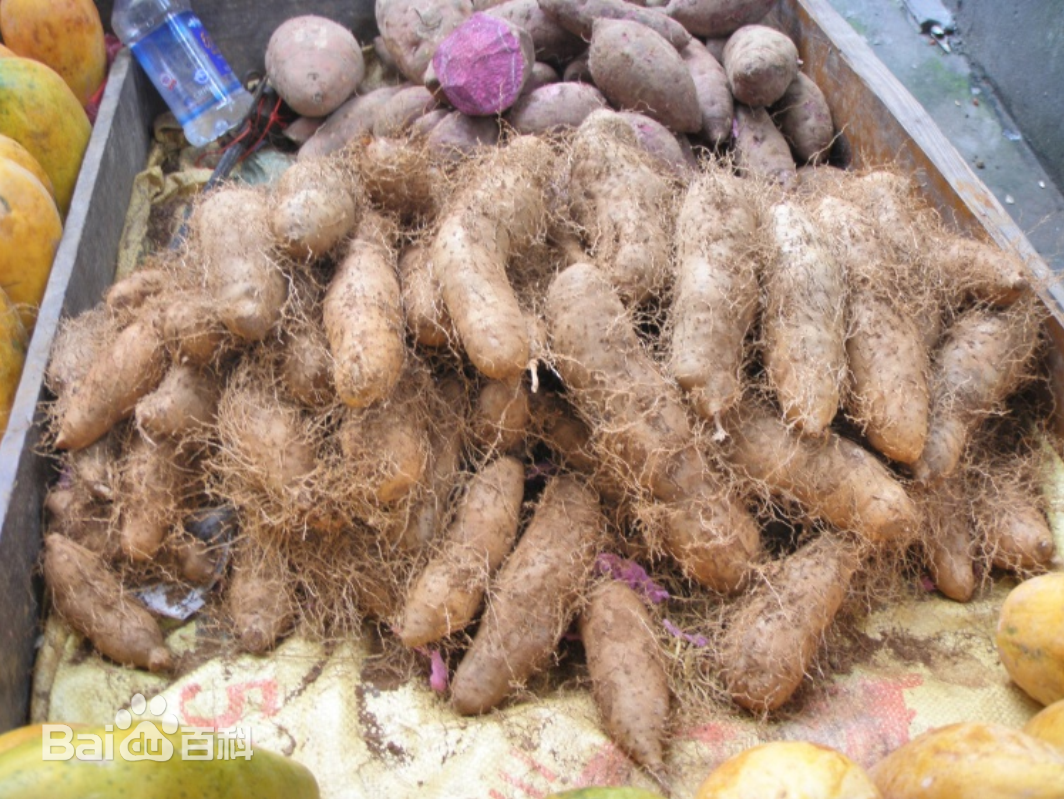
真正的香芋,是参(shēn)薯(dioscorea alata),属于薯蓣(yù)科薯蓣属,是薯蓣科薯蓣属的植物,说出来你可能不信,它的亲兄弟居然是山药!
而我们常吃的芋头(colocasia esculenta),是天南星科芋属,紫薯则是旋花科番薯属,这仨看似都是 “薯芋类”,实则八竿子打不着,植物学分类天差地别。
The real xiangyu refers to greater yam (dioscorea alata). Taro (colocasia esculenta) belongs to an entirely different plant family, while purple sweet potato is classified separately. Though similar in appearance, the three are botanically distinct root crops.
图源:百度百科
为什么大家会把参薯叫香芋,还和芋头混为一谈?
多是因为方言俗名和商家的概念混淆。我国南方部分地区,因参薯粉糯带香,便俗称为“香芋”;而芋头中部分带淡香的品种(如荔浦芋),也被商家借机标注为“香芋”,比如电商平台的“荔浦香芋”制品,配料表中只有荔浦芋粉,并无真正的参薯。
The confusion largely stems from regional naming habits and commercial marketing. In southern China, greater yams are often called xiangyu for their natural fragrance, while aromatic taro varieties such as Lipu taro are also sold under the same name, further blurring the distinction.
aromatic /ˌærəˈmætɪk/ 芳香的
但在国际上,参薯通常被称为ube,而芋头被称为taro,两者的界限非常清晰。
Internationally, however, the difference is clearer: Dioscorea alata is commonly known as ube, especially in Southeast Asian desserts, while colocasia esculenta is simply called taro.

那为什么我们在市面上很难见到真正的“香芋”,喝的香芋奶茶、吃的香芋泥,都和它没啥关系?原因其实很现实,真香芋实在 “太难搞” 了!
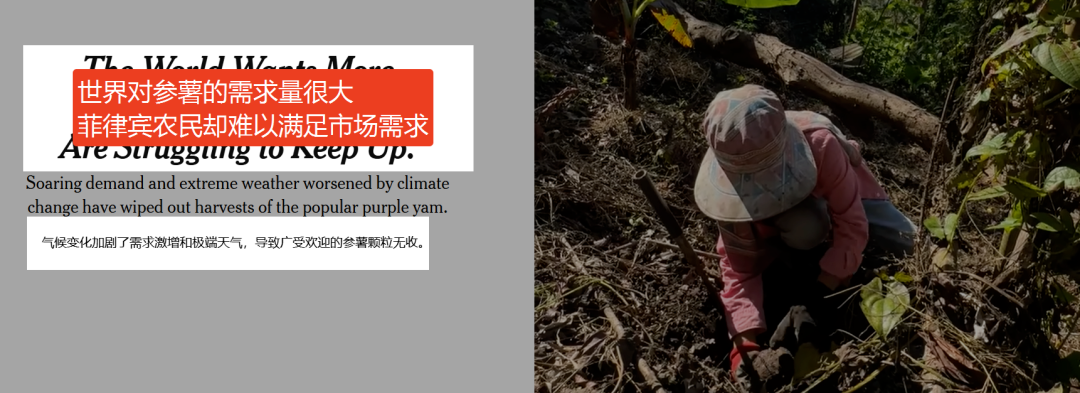
“香芋”原产于东南亚,根据《纽约时报》去年12月的报道,菲律宾每年生产超过14000吨参薯,被认为是世界上最大的参薯生产国。虽然我国南方如广西、广东、福建等地有零星种植,但其产量远无法支撑庞大的甜品市场。而且,对香芋的喜爱不只是我国,香芋是全球甜品的香饽饽。
One reason genuine greater yams are rarely used in China's dessert market is the limited supply. Native to Southeast Asia, it is widely grown in countries such as the Philippines, while cultivation in southern China remains small-scale and unable to meet rising demand for taro-flavored drinks and sweets.
图源:纽约时报
有人可能会想:既然我吃到的不是“真香芋”,那我是不是亏了?
其实,从营养角度来看,参薯、山药和芋头这三者并没有本质的优劣之分。它们都属于优质的薯芋类食材,共同特点是富含淀粉、膳食纤维,代替部分主食对血糖友好。只要是天然、未加工的块茎,它们都是非常健康的主食来源。
Nutrition experts say consumers need not focus too much on whether a product contains greater yams, taro or yams, as all three are nutritious root crops rich in starch and dietary fiber.

真正的 “坑” 从来不是食材替代,而是加工过程中的偷工减料和高糖高脂。买预包装香芋产品时,一定要盯紧配料表前三位,如果是白砂糖、植物油、香芋风味粉打头,那妥妥是高糖高脂的加工食品;优质产品的配料表首位,必然是芋头或者参薯。
The bigger concern is processing. Many packaged "taro-flavored" products are high in sugar and fat, relying on artificial flavoring rather than real root ingredients, making ingredient labels key to informed choices.
奶茶中丰富的配料用英语怎么说?一起来看看吧!
仙草:grass jelly
椰果: coconut jelly
西米:sago
红豆:red beans
糯米: sticky rice
薄荷: peppermint
覆盆子(山莓):raspberry
椰子:coconut
香草:vanilla
焦糖:caramel
杜肉桂: cinnamon dolce
太妃榛仁:toffee nut
榛果: hazelnut
巧克力:mocha
白巧克力:white mocha
芦荟:aloe vera
香芋:taro
烧仙草:herbal jelly
麻薯:mochi
燕麦:oats
奥利奥: oreo
点奶茶时,糖量和冰量又该如何表达呢?
糖量
customise:定制,按顾客的要求定做
half sugar:半糖
sugar free:无糖
full sugar 全糖
less sugar 80%少糖
quarter sugar 微糖
sugar-free 无糖
冰量
no ice: 去冰
half ice: 少冰
normal 100%正常冰
room temperature 常温
less ice 少冰
quarter ice 微冰
ice-free 去冰
warm 温
hot 热

你喜欢什么香芋风味的食物嘛?欢迎在评论区和我们一起分享!
来源:外研社 科普中国
|
|

 /1
/1 


 鄂公网安备42010202000179号 )