这些“月壤砖”可不简单!作为首批用于月面建造研究的样品,它们在太空里经历了一年的舱外暴露实验,近日搭乘神舟二十一号飞船顺利返回地球,状态良好。
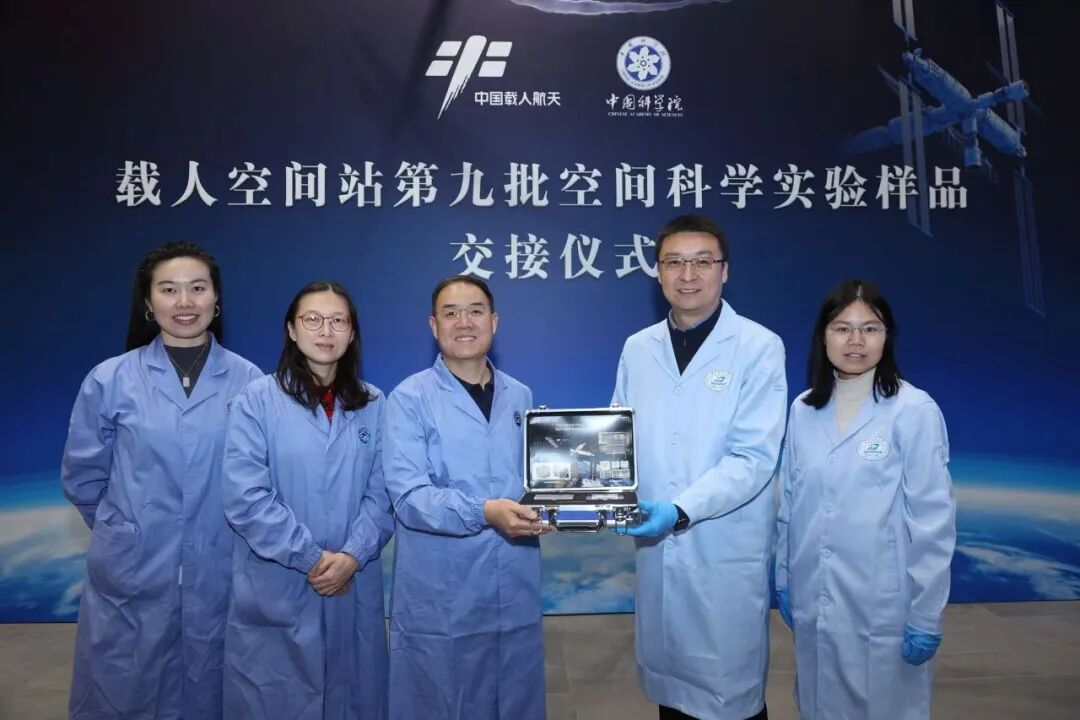
华中科技大学科研团队接收从太空返回的“月壤砖”
这批“月壤砖”共有34块,总重约100克。华中科技大学科研团队模拟真实月壤成分,配制材料,再经烧结而成,其抗压强度是普通砖的3倍以上。
The 34 sample bricks, weighing about 100 grams in total and made from materials that mimic lunar soil composition, are said to be more than three times stronger than standard bricks. The brick samples, which were exposed to the harsh conditions in space for about a year, returned to Earth recently aboard the Shenzhou XXI spacecraft almost intact.
团队成员、华中科技大学副教授周燕称,“月壤砖”样品肉眼来看状态良好,并没有看到之前预想的陨石、空间碎片冲击造成的坑、孔洞等,但样品颜色比之前浅了一点点,这还需要后续的实验研究解释。
"At first glance, the bricks seem to be in good condition," said Zhou Yan, a scientist at Huazhong University of Science and Technology, the institute responsible for making the "lunar bricks".
While the "lunar bricks" show no signs of cracks or pits, typically caused by the impact of space debris and meteoroids, they have become slightly pale in color, a change scientists are now investigating, Zhou added.
2024年11月, “月壤砖”由天舟八号货运飞船送往中国空间站开展舱外暴露实验。据了解,相较于地球的模拟实验环境,空间站外部的高真空、大变温、强辐射等环境与月球表面更为相似。这些“月壤砖”被放置于空间站舱外暴露实验装置中,整个实验周期为3年,每年都有一批样品被取回进行研究。
In November 2024, the Tianzhou 8 cargo ship transported these bricks to the Tiangong space station. They were then mounted outside the orbital outpost to weather space conditions that are difficult to simulate in a lab on Earth. The conditions included an environment of vacuum, punishing cosmic radiation, and extreme temperature changes ranging from -190 C to 180 C.
According to the researchers, the whole experiment is designed to last three years. While the first batch of "lunar bricks" has returned, other samples remain in space and will be retrieved annually to test how the material holds up over longer periods.
该实验由中国工程院院士丁烈云主持。他介绍,星际运输费用高昂,未来在月球建设科考基础设施,实现“就地取材”尤为重要。
The experiment, led by Ding Lieyun, an academician of the Chinese Academy of Engineering, aims to address the biggest hurdle in lunar construction: the exorbitant cost of transporting building materials from Earth. Scientists are in the process of perfecting a technology to build on the moon directly using local resources — a concept known as "in-situ resource utilization".
月壤颗粒特性在不同区域和地点呈现显著差异,全面研究各类月壤特性并解释其背后机制,是成功建造未来“广寒宫”不可或缺的一步。
近日,中国科学院科研团队基于嫦娥六号月壤样品,揭示月球背面土壤表现出较高黏性这一特殊现象背后的科学答案——土壤颗粒更细、形态更复杂、整体球度显著偏低。相关研究成果发表于国际学术期刊《自然·天文》。
In a study published on Monday in the journal Nature Astronomy, a team of researchers from the Chinese Academy of Sciences attributed the stickiness of lunar regolith from the far side to the geometry of the particles, which are extremely small, very sharp and unusually jagged.
地质与地球物理研究所研究员祁生文介绍,这可能与月球背面经历更强太空风化作用,以及样品中富含易破碎的长石矿物有关。
Qi Shengwen, a researcher at the CAS' Institute of Geology and Geophysics who led the study, attributed these unique soil properties to the violent history of the lunar far side, which was subject to intense space weathering, including constant bombardment by micrometeoroids and lashing by solar winds. The regolith on the far side is also rich in feldspar, a mineral that tends to fracture into jagged pieces rather than wearing down smoothly.
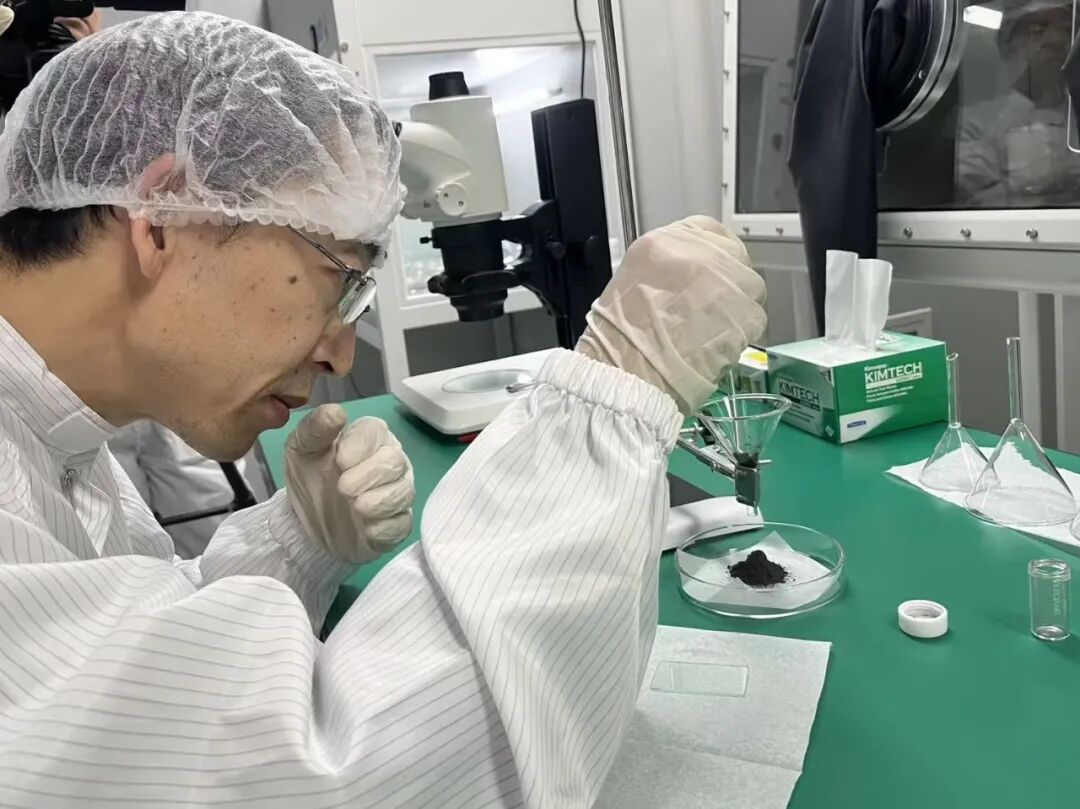
祁生文研究员对嫦娥六号月壤样品做固定漏斗实验
“这些研究结果将为月球基地建设、资源开发提供重要理论支撑,”祁生文表示。不过,不同颗粒大小、不同黏性的月壤对于“月壤砖”的烧结是否有影响或者有何影响尚不得而知,还需进一步实验验证。
"The research results will provide a key theoretical basis for the future construction of lunar bases and the development of lunar resources," Qi said, adding that whether such cohesive soil can be used as construction material requires further study.
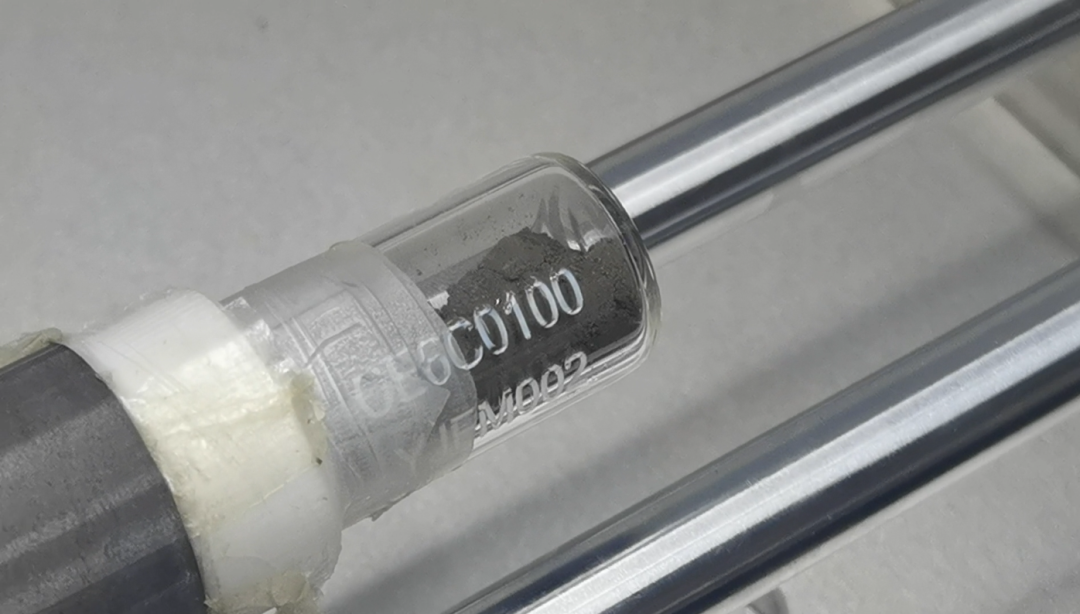
滚筒实验
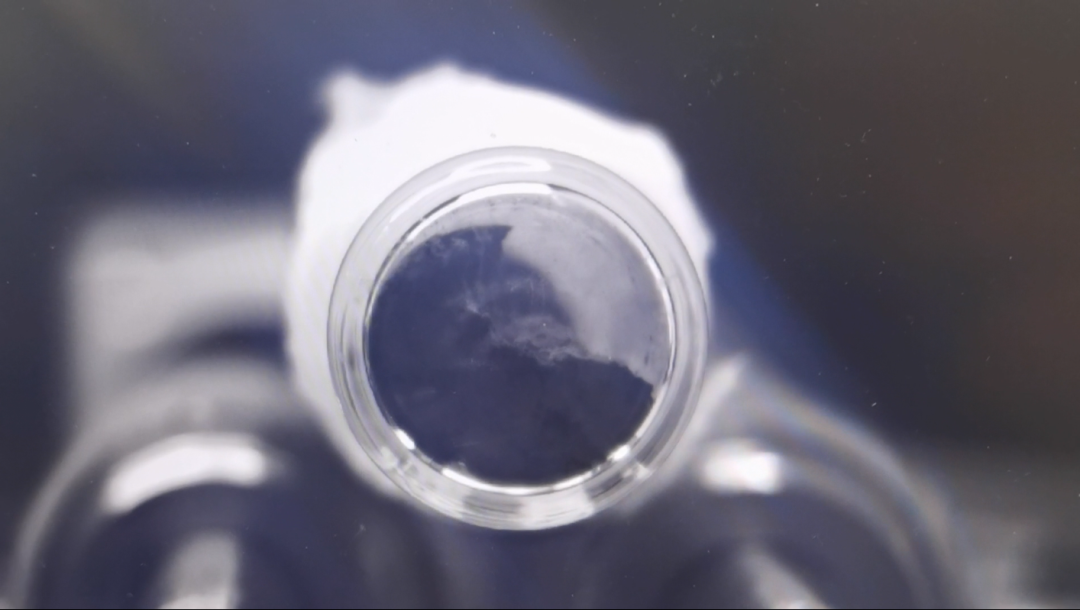
滚筒试验正面视图
“月壤砖”实验和月背土壤研究均属于中国探月工程总设计师吴伟仁探月蓝图的范畴。中国计划于2030年前实现航天员登月目标,于2035年前后在月球南极建成国际月球科研站基本型。
The brick experiment and the soil research are parts of a broader timeline laid out by Wu Weiren, chief designer of China's lunar exploration program. China aims to land astronauts on the moon by 2030 and build a basic version of the International Lunar Research Station on the lunar south pole by 2035.
记者:李梦涵 刘坤
本文来自公众微信号:中国日报双语新闻
|
|
 /1
/1 

