圆明园十二大水法 兽首藏身之处大揭秘
还记得成龙在《十二生肖》电影里为国家夺取圆明园十二大水法弄得伤痕累累么?这圆明园十二大水法在外国列强火烧圆明园的时候被夺走一空,至今还有5件下落不明。

背景资料 1860年,“英法联军”烧劫圆明园后至今,十二生肖铜兽首构件流失海外140多年。十二生肖兽首铜像是原圆明园喷水池中“水力钟”的喷头,该“水力钟”的全称“十二生肖报时喷泉”。十二生肖兽首铜像呈“八”字形,分列在喷水池的两旁的人身石台上。每个动物就是一个喷泉机关,每到一个时辰,相应的动物口中就会喷水两个小时。因为古人的一个时辰就是两个小时,十二个时辰正好是二十四小时。不过到了正午,它们就要一起喷水,此时,景象蔚为壮观。 兽首藏身之处大揭秘 在圆明园十二生肖兽首铜像中,目前已经回归的有五件:牛首、猴首、虎首、猪首、马首。除猪首外,其他四件铜像的回归均与拍卖有关。2000年4月底和5月初佳士得和苏富比在香港的春季拍卖会上,牛首、猴首和虎首铜像现身。当时这两家拍卖公司拍卖流失文物的做法,引起了香港和中国内地社会各界的极大愤慨。最终中国保利集团公司毅然参拍,以774.5玩港币拍得牛首、818.5万港币竞得猴首,而虎首则以1544.475港币成交(价格均包含拍卖公司佣金)。 2007年9月初,苏富比发布消息称,将以“八国联军-圆明园遗物”专拍之名拍卖马首铜像。消息传出,各界哗然。中华抢救流失海外文物专项基金率先发表声明“坚决反对公开拍卖马首铜像”,并提出应以公益方式实现马首回归。关键时刻,港澳爱国企业家、国宝工程顾问何鸿燊博士于9月20日在拍卖会举行之前以6910万港币购得马首铜像,并宣布将其捐赠国家。 惟一没有拍卖公司介入、而是以公益方式回归的是猪首铜像,不过也与何鸿燊有关。2003年初,中华抢救流失海外文物专项基金在美国寻访到猪首铜像的下落。经过努力争取,美国收藏家同意将猪首铜像转让给该专项基金。2003年9月,何鸿燊向该专项基金捐款人民币600余万元将猪首铜像购回。 圆明园十二件生肖兽首铜像有五件已经回归,另外五件龙首、蛇首、羊首、鸡首、狗首铜像一直不知所踪,鼠首和兔首铜像极有可能是最后的两件。 法国无偿捐赠流失兽首

4月26日法国皮诺家族在北京宣布,决定将所购流失海外的圆明园青铜鼠首和兔首无偿送交中国,圆明园十二大水法的大家族中已经有7件已经现世。 据国家文物局官方微博消息,26日上午11时,国家文物局副局长宋新潮、博物馆与社会文物司司长段勇在北京会晤了法国PPR集团董事长兼首席执行官弗朗索瓦·亨利·皮诺先生。皮诺先生代表皮诺家族表示,将向中国政府捐赠流失海外的圆明园十二大水法中的青铜鼠首和兔首。 圆明园十二生肖兽首铜像清朝乾隆年间由欧洲传教士意大利人郎世宁主持设计,法国人蒋友仁设计监修,清宫廷匠师制作。1860年,英法联军烧毁圆明园,圆明园十二生肖铜像自此流失海外,成为中国文物流失的一个缩影。 Two bronze animal heads looted from a Chinese royal garden 149 years ago will soon be returned to China, beaming in a ray of hope despite the difficulties the country faces in bringing its treasure trove of cultural relics home. The family heading French luxury goods retailer Pinault said on Friday in Beijing that it will donate the rat and rabbit busts back to China for free. The Pinault family is the majority shareholder of PPR, whose brands include Gucci, Yves Saint Laurent and Puma, and Pinault Group Chairman and CEO Francois-Henri Pinault has just concluded a two-day visit to China with French President Francois Hollande. Cao Yuming, director of the administration office of the Yuanmingyuan, or Old Summer Palace, from which the two pieces were looted, said the move should encourage the return of more Chinese relics. Cao described the planned donation as "an observation of international convention, a token of friendship and conducive to bringing more relics home." He also said an exhibition of the two pieces is likely to be held in the Yuanmingyuan once approved by the state cultural relics authorities. The busts were among 12 animal head sculptures that formed the zodiacal water clock decorating the Calm Sea of Yuanmingyuan of Emperor Qianlong(1736-1795). They were taken by Anglo-French allied forces during the Second Opium War in 1860. But the two became the center of an international tug-of-war when they were auctioned for $39.6 million in Paris in 2009. China has repeatedly opposed this auction. A Chinese businessman made the winning bid and then refused to pay on the grounds that the heads belong to his native country. Five of the 12 bronze animal fountain heads in Yuanmingyuan have returned thus far, and the Pinault donation will take the number to seven. But the whereabouts of the five others remains unknown. China, along with other countries to have lost cultural relics, is making efforts to repatriate such prized possessions, a drive which has generally received a positive response and support from the international community. But more efforts are needed. UNESCO believes there are at least 17 million Chinese cultural relics abroad, far exceeding the number in the country's own museums. A great number were looted, stolen and smuggled out of China between the 1860s and 1949, a period in which the country was subjected to invasions and civil wars. Some Chinese collectors have worked to purchase such missing items under their own initiative and donate them to China's government. This is how the first five of the Yuanmingyuan's animal heads made their way back to their original home. Three were purchased by the China Poly Group Corporation at a cost of 30 million HK dollars. And Macau business magnate Stanley Ho privately bought the horse and pig head. Other ways of claiming back relics include legal and diplomatic proceedings, as well as donations from abroad. Legal and diplomatic retrieval is based on a series of international conventions that China has signed, including the 1970 UNESCO convention on the Means of Prohibiting and Preventing the Illicit Import, Export and Transfer of Ownership of Cultural Property, and the 1995 Unidroit Convention on Stolen or Illegally Exported Cultural Objects. But experts say the fact that these conventions can not be applied retroactively forms a major obstacle for legal proceedings. Xie Chensheng, honorary president of the China Society of Cultural Relics, said retrieving lost cultural relics is a long-term cause that requires patience. "But we don't need to worry. People's consciences will eventually mean they hand them over," Xie added.
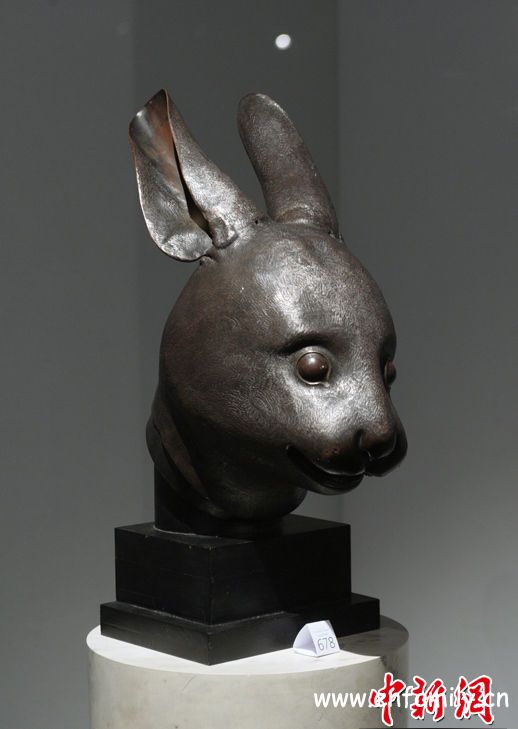
Two imperial bronze sculptures that were looted from Beijing's Old Summer Palace will come home later this year, thanks to the donation of the French art-collecting Pinault family, China's top heritage authority announced on Friday afternoon.

Two imperial bronze sculptures that were looted from Beijing's Old Summer Palace will come home later this year, thanks to the donation of the French art-collecting Pinault family, China's top heritage authority announced on Friday afternoon. | 
 /1
/1 

