你有没有经历过这种时刻?
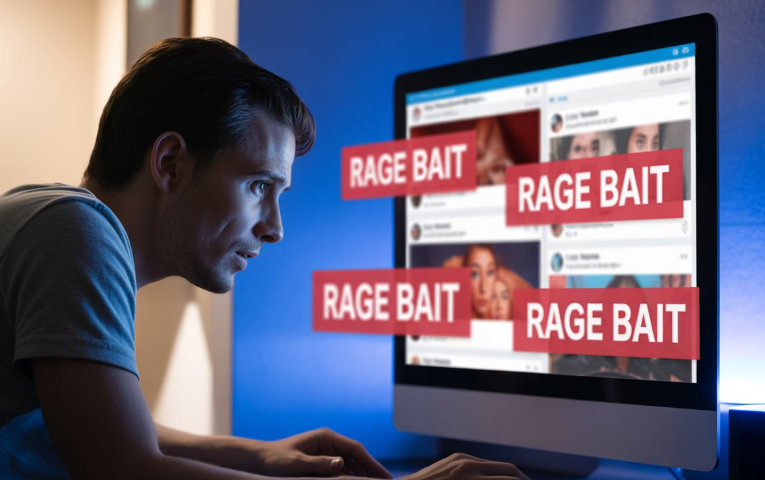
刷着手机突然看到一条气到爆表的新闻,本来想划走,结果手却很诚实——忍不住继续点进去看、追进展、甚至顺手搜几个“类似事件”。
然后越刷越上头,越看越生气。如果你也是这样,你可能被一种叫作“rage bait” 的东西“套牢”了。
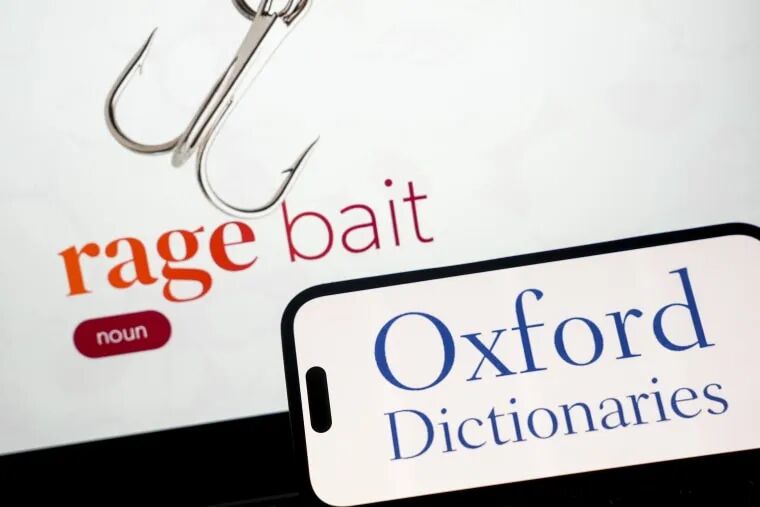
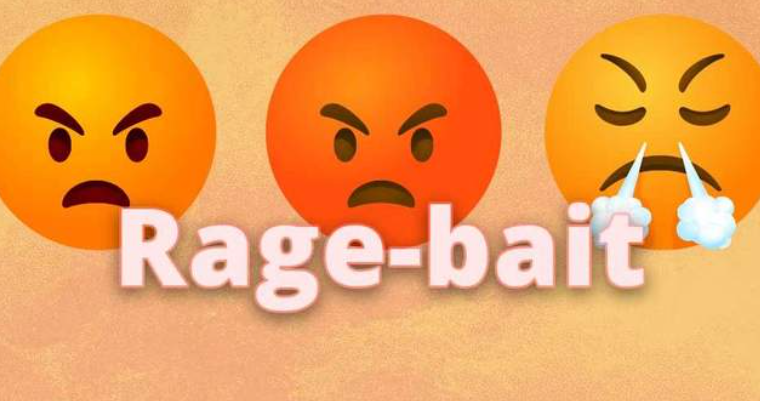
什么是rage bait?
牛津大学出版社刚刚把这个词评为2025年度热词。他们的理由很简单:在这个时代,社交媒体正被愤怒裹挟,激发负面情绪的内容比任何时候都更容易爆。
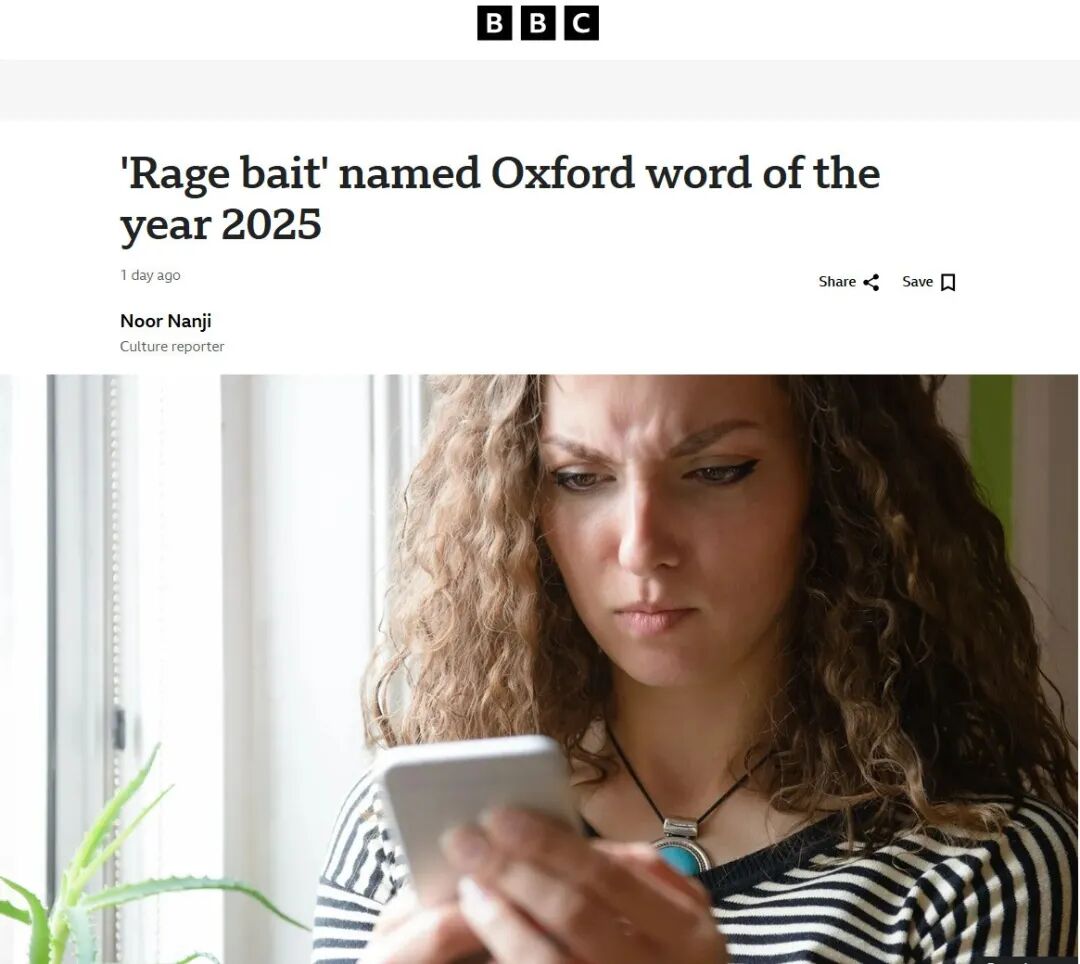
The Oxford University Press is shining a light on the more toxic side of internet culture by choosing “rage bait” as its 2025 Word of the Year.
牛津大学出版社将“rage bait(情绪煽动 / 愤怒营销)”选为2025年度词汇,以此揭示互联网文化中更加“有毒”的一面。
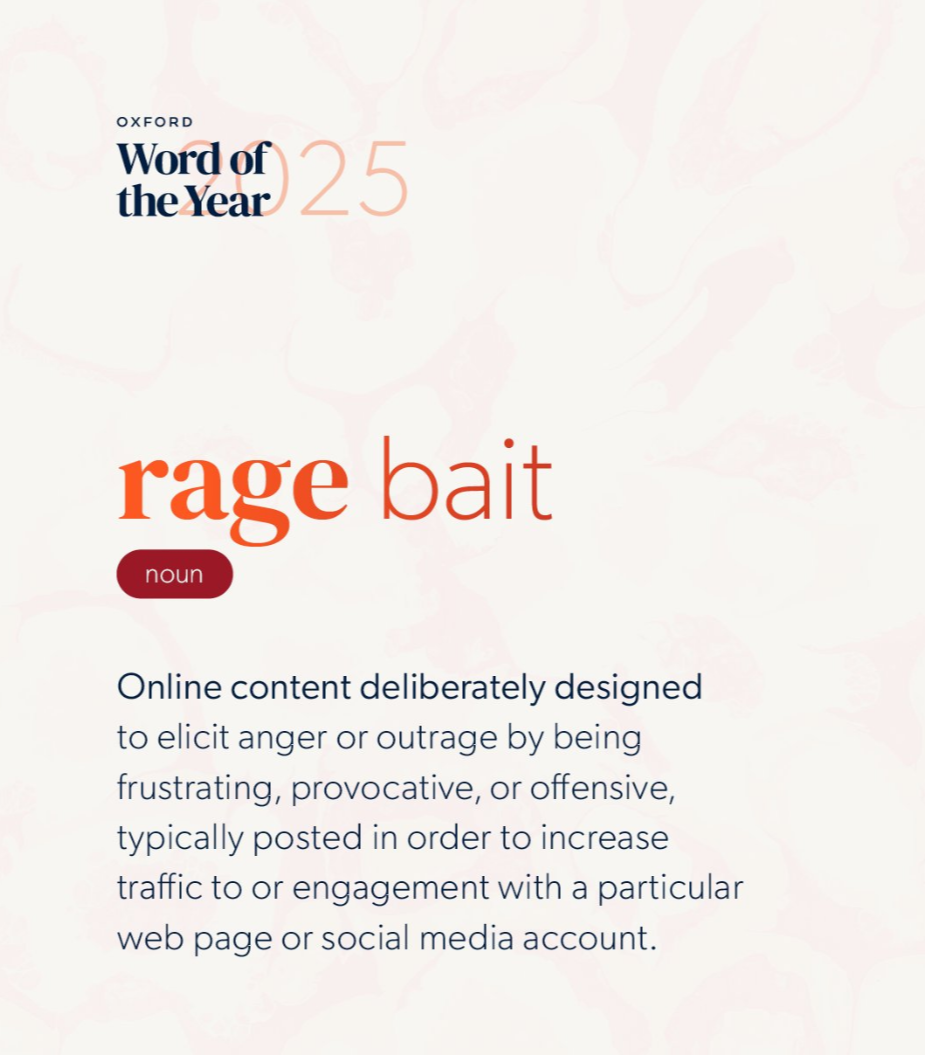
Oxford’s language experts, who are the brains behind the Oxford English Dictionary, defined rage bait as “online content deliberately designed to elicit anger or outrage by being frustrating, provocative or offensive” in order to “increase traffic to or engagement with a particular web page or social media content.”
牛津的语言学专家——也就是《牛津英语词典》的编纂团队——将 rage bait 定义为:“故意设计能激起愤怒或愤慨的线上内容,让人感到挫败、被挑衅或被冒犯,其目的在于提升网页或社交媒体内容的流量或互动。”
The term rage bait isn't all that new. In fact, the term was first used online in a post on Usenet in 2002.
其实,“rage bait” 这个词并不算新鲜。早在2002年,它就第一次出现在 Usenet 的一篇帖子里。
That first usage 23 years ago called out a certain type of driver's angry reaction to being "flashed at by another driver" asking to pass them in traffic. That initial post singled out the idea of "deliberate agitation," according to the experts.
23年前的那次最初使用中,“rage bait”指的是某些司机在路上被后方车辆闪灯示意让行时,会立刻做出愤怒反应。专家指出,那篇最早的帖子强调的正是“刻意激怒他人”这一概念。
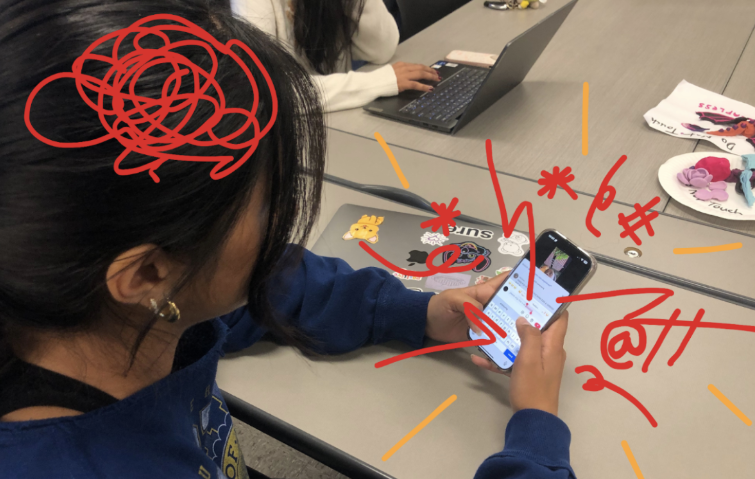
Over the years, "rage bait" has been commonly used to describe certain viral tweets. It's also been used to critique entire networks — both platforms and creators — who create content meant to incite a negative response.
这些年来,“rage bait” 一词常被用来形容那些突然爆火的推文,也常被用来批评某些整套运营模式——包括平台和内容创作者——因为他们刻意生产会引发负面情绪的内容。
Casper Grathwohl, president of Oxford Languages, said the popularity of the term rage bait signifies how much 2025 has been a year defined by “questions around who we truly are; both online and offline.”
牛津语言部门主席卡斯帕·格拉斯沃尔指出,“rage bait” 这个词的流行,说明 2025 这一年,人们越来越关注‘我们究竟是谁——无论是在网上还是线下’ 这样的问题。
“The fact that the word rage bait exists and has seen such a dramatic surge in usage means we’re increasingly aware of the manipulation tactics we can be drawn into online," said Grathwohl.
格拉斯沃尔说:“‘rage bait’ 这个词的存在,以及它使用频率的急剧上升,都说明我们越来越意识到那些会把我们卷进去的线上操控手法。”
While the internet was once focused on “grabbing our attention by sparking curiosity in exchange for clicks,” he added, “we’ve seen a dramatic shift to it hijacking and influencing our emotions, and how we respond.”
他补充道:过去,互联网还主要是通过激发好奇心来吸引点击;而如今,我们看到它正在大幅转向——直接操纵并影响我们的情绪,以及我们的反应方式。
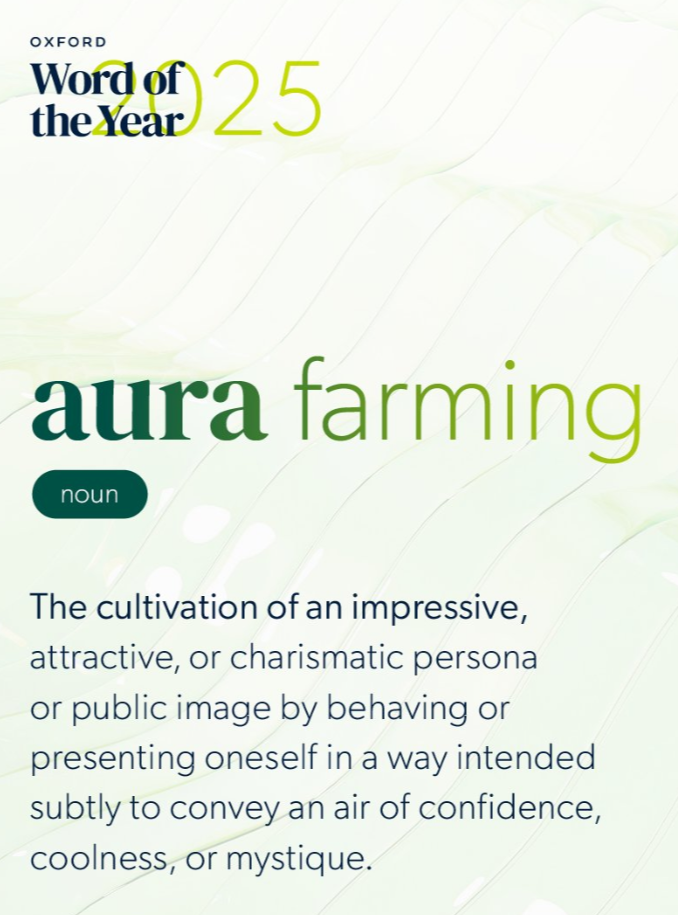
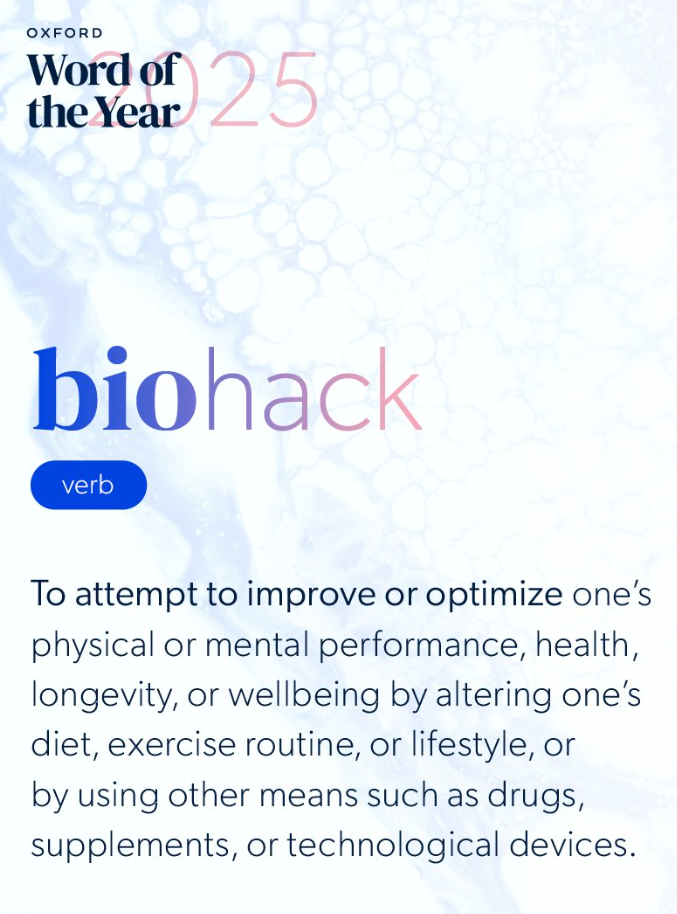
和“Rage bait”一同入选的,还有“aura farming”和“biohack”两个词。
aura farming “人设塑造”
是指:the cultivation of an impressive, attractive, or charismatic persona or public image by behaving or presenting oneself in a way intended subtly to convey an air of confidence, coolness, or mystique。
通过特定的行为举止与自我呈现,表现出一种自信、从容或神秘的气质,从而营造出一个令人印象深刻、极具吸引力或魅力四射的公众形象。
biohack “生物黑客”
是指:to attempt to improve or optimize one's physical or mental performance, health, longevity, or wellbeing by altering one's diet, exercise routine, or lifestyle, or by using other means such as drugs, supplements, or technological devices。
通过改变饮食、锻炼习惯或生活方式,或借助药物、补充剂、科技设备等其他手段,试图提高个人的身体或心理状态、改善健康状况、延长寿命或整体福祉。
互联网时代,每年的年度热词从来不是简单的流行语,它们更像是一面镜子,映照着这一年里我们共同经历的情绪、趋势和变化。
学这些词,不但可以涨词汇量,还能:
✔ 听懂全球正在发生什么
✔ 在考试、对话、工作表达中更地道、更自信
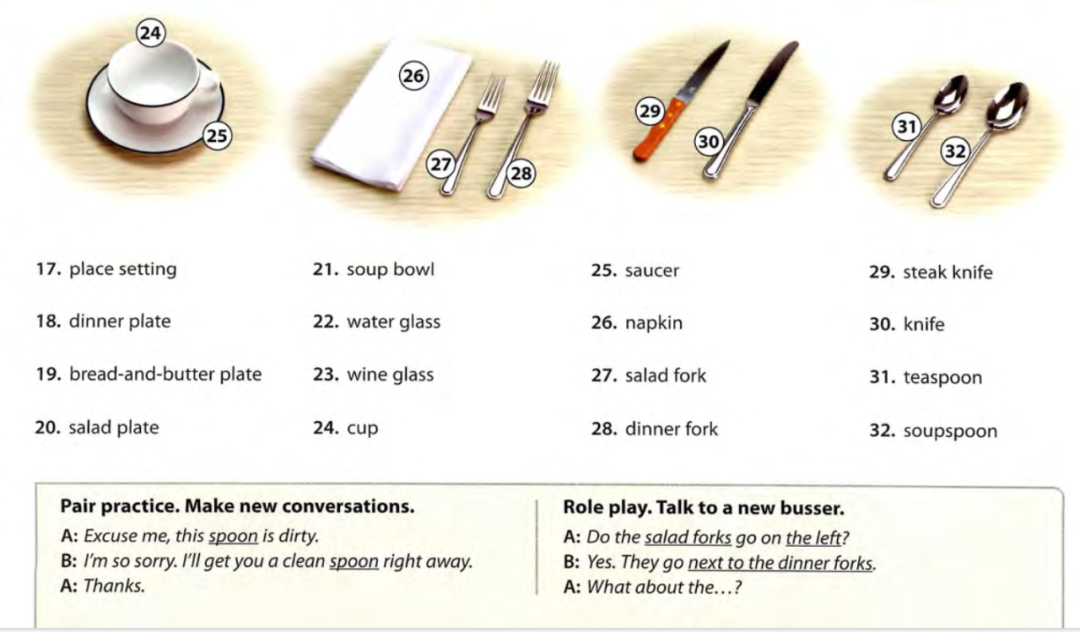
为了帮助大家更轻松地增加词汇量,英语君给大家准备了Oxford Picture Dictionary(电子版)——涵盖图片、词汇、例句、语境解析,有趣又有料。
本文来自公众微信号:沪江英语
|
|
 /1
/1 

